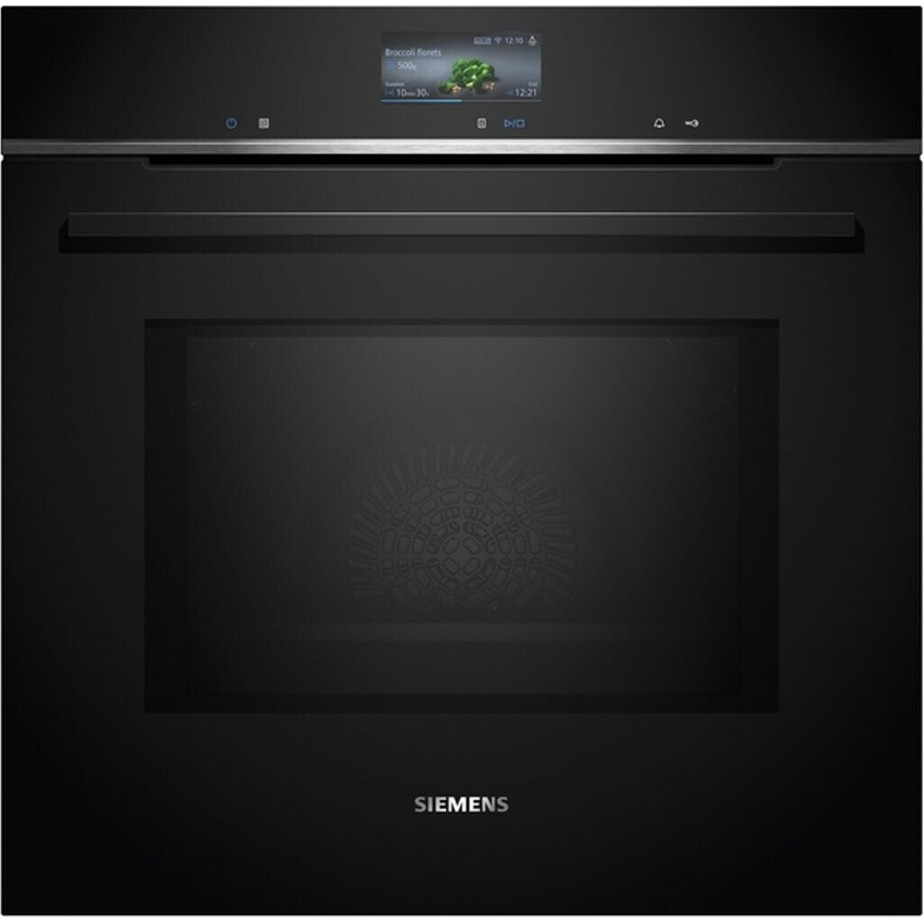
Everything You Need to Know About Built-In Ovens
When improving a kitchen area, one of the most considerable choices homeowners face is whether to invest in a built-in oven. Geschirrspüler Unterbaufähig Kaufen -in ovens effortlessly incorporate into cooking area cabinets, providing both visual appeal and practical benefits. For those thinking about an upgrade or installation of a brand-new oven, this comprehensive guide will supply vital insights, contrasts, and solutions.
What is a Built-in Oven?
A built-in oven is created to be set up within kitchen cabinets rather than standing alone like a conventional oven. This plan offers a sleek, structured appearance while conserving space in compact kitchen areas.
Benefits of Built-in Ovens
- Space-Saving Design: Built-in ovens are created to fit comfortably into existing cabinetry, taking full advantage of countertops and floor area.
- Aesthetic Appeal: They can be customized to match the kitchen area decor and cabinetry, supplying a classy appearance.
- Versatility: Available in numerous designs, sizes, and finishes, built-in ovens can quickly mix into any cooking area style.
- Improved Cooking Capabilities: Many built-in ovens featured advanced functions like self-cleaning alternatives, convection settings, and clever oven innovation.
Types of Built-in Ovens
The market provides several kinds of built-in ovens, catering to varied cooking needs. Here's a breakdown of the main types:
| Type | Description | Appropriate For |
|---|---|---|
| Single Built-in Oven | A standard design that accommodates one oven. | Standard home cooking requires |
| Double Built-in Oven | 2 ovens stacked for flexible cooking alternatives. | Large households or cooking lovers |
| Wall Oven | Installed in walls, offering practical access. | Space-constrained areas |
| Stove | Utilizes a fan and exhaust system for even cooking. | Baking lovers |
| Steam Oven | Uses steam to prepare food, maintaining moisture and nutrients. | Health-conscious cooks |
Secret Features to Consider
When selecting the ideal built-in oven, there are several functions to evaluate:
- Size: The measurements play an important function in guaranteeing the oven fits your kitchen design. Requirement sizes range from 24 to 30 inches wide.
- Oven Capacity: Larger capacities appropriate for households or those who frequently amuse.
- Heating Elements: Look for ovens with numerous heating elements for even heat distribution.
- Self-Cleaning Options: Many modern ovens include self-cleaning capabilities, saving you effort and time.
- Smart Technology: Wi-Fi-enabled ovens allow you to keep an eye on cooking progress and personalize settings from your smartphone.
Price Range of Built-in Ovens
Buying a built-in oven varies based on functions and brands. Here's a price variety for typical built-in oven types:
| Oven Type | Price Range |
|---|---|
| Single Built-in Oven | ₤ 800 - ₤ 2,500 |
| Double Built-in Oven | ₤ 1,500 - ₤ 3,500 |
| Wall Oven | ₤ 1,000 - ₤ 4,000 |
| Convection Oven | ₤ 1,000 - ₤ 3,000 |
| Steam Oven | ₤ 1,200 - ₤ 3,500 |
| Smart Oven | ₤ 1,500 - ₤ 5,000 |
The costs above are variable and can fluctuate based upon brand name credibility, seller promotions, and additional features.
Setup Considerations
Setting up a built-in oven needs cautious factor to consider:
- Location: Strategically select a place that maximizes space and benefit for meal preparation.
- Electrical Requirements: Many built-in ovens need particular outlet capacities. Ensure your kitchen area can fulfill these requirements.
- Ventilation: Proper ventilation is vital, especially for wall ovens or convection designs.
- Expert Installation: It is constantly recommended to work with licensed experts for setup to prevent safety dangers.
Upkeep and Care
To prolong the life of a built-in oven, follow these care ideas:
- Regular Cleaning: Utilize self-cleaning features and get rid of spills without delay.
- Check Seals: Inspect oven door seals frequently, replacing them if harmed.
- Routine Inspections: Schedule routine professional evaluations to ensure all built-in systems are functioning efficiently.
Frequently Asked Questions About Built-in Ovens
1. Just how much space is required for a built-in oven?
Usually, built-in ovens need kitchen cabinetry area that is 28 to 30 inches wide for basic designs; nevertheless, always determine your particular oven measurements before setup.
2. Can I install a built-in oven myself?
While some house owners have the skills to carry out the setup, hiring certified specialists is advised to satisfy security and code requirements.
3. Are built-in ovens worth the investment?
Built-in ovens offer boosted functionality, aesthetic appeals, and space-saving options. For Induktionskochfeld Set Angebot of, their long-lasting benefits outweigh the initial investment.
4. What's the distinction in between convection and regular ovens?
Convection ovens flow air during cooking, leading to quicker and more even cooking compared to conventional (routine) ovens, which might have locations.
5. How energy-efficient are built-in ovens?
Energy efficiency differs by design; search for ovens with an excellent energy score and features like wise technology that optimize power consumption.
Built-in ovens represent a perfect mix of style and performance, making them a worthwhile financial investment for modern kitchen areas. With numerous types, sizes, and features, they offer something for everyone, from a baking fanatic to a busy family. By understanding the advantages, types, rates, and maintenance considerations, readers can make an informed choice in choosing the perfect built-in oven for their homes. Whether you're revamping your kitchen or updating devices, a built-in oven can elevate the culinary experience and boost your kitchen's visual.